Exhibition History
Recent Comments
Latest Posts

Social Media Links
This error message is only visible to WordPress admins
Error: No feed found.
Please go to the Instagram Feed settings page to create a feed.
China has a long history and a brilliant civilization of 5,000 years. The ancient states of Xia, Shang and Zhou established the foundation of the nation. The Spring and Autumn Period, and the Warring States Period that followed, saw the rise of various state governance, schools of thought and philosophy. The Qin unified the six kingdoms. The Han and Tang dynasties provided long periods of peace and prosperity. The Song and Ming dynasties saw repeated invasions of nomads (Mongolians and Manchurians) from the north. The nomads conquered the whole country and founded their own dynasties (Yuen and Qing respectively). Their cultures were mixed in with the Han’s. Eventually they were overthrown by the Han. From the Opium War to the Xinhai Revolution (1911) to the 1979 Modernization, the nation went through several periods of awakening. The Chinese studied how to relearn state governance, economics, and technologies from the world. The country opened up and took up necessary reforms that led to the great rejuvenation of the nation.
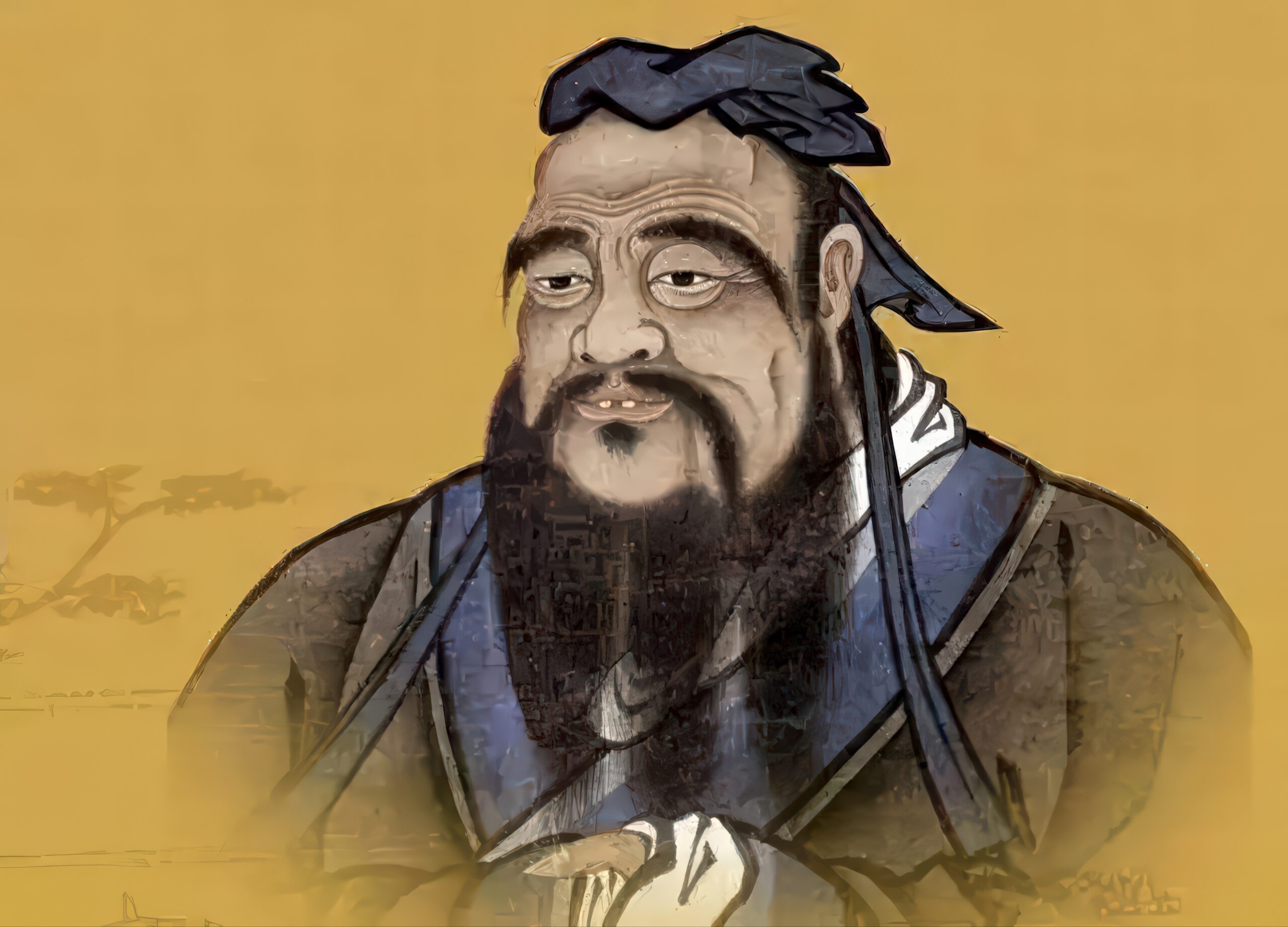
Chinese learn three ideas from history. First, the nation would become chaotic then reunite back to one nation from time to time. No matter how chaotic it was, Chinese were determined to unite the nation again. That was the wish of the people. Secondly, Confucius’ thinking had great influence on the state governance, and people’s relationship with the state. The emperor would treat his people with benevolence and care. People would reciprocate and show allegiance and respect to the emperor and the state. This kind of reciprocated relationship between state and people has been passed down from generation to generation. Thirdly, Chinese also treasured peace more than wars. Chinese had more peace times in history than most other nations. Peace brought prosperity and progress, and wars brought destruction and death. All three ideas are woven into their mindset, culture, and state governing philosophy. That is why one cannot find any long and pervasive invasion, colonization, and exploitation of foreign countries in Chinese history. This is the guiding principle of the nation and its foreign policy on cooperation and win-win with other nations.
In this section (history section), you can explore the maps and the following stories:
Dynasties – Chinese dynasties in 5000 years.
Historic figures – Map of prominent heros in each dynasty.
Error: No feed found.
Please go to the Instagram Feed settings page to create a feed.
Press Enter / Return to begin your search.
New membership are not allowed.
9:30–6:00, Monday Until 8:00
2270 S Real Camino Lake California
The Loquet Museum fuels a journey of discovery across time to enable
solutions for a brighter future rich in nature and culture.